Lawn Mowing in Islington

Lawn mowing in Islington needs a careful, tidy approach that keeps domestic gardens, shared courtyards and managed outdoor spaces looking presentable without cutting corners on detail. Our service centres on regular mowing and neat finishing, with attention to lawn edges, access, grass collection and the practical rhythm of maintaining a healthy-looking surface through the growing season. We focus on clean results that suit the shape and condition of the lawn rather than a one-size-fits-all pass.
Where lawns are part of a wider garden, mowing is often best understood alongside other routine care. That may include trimming around borders, keeping paths clear of clippings and planning visits so the grass is cut at a sensible height for the season. If you are comparing options, take a moment to think about the finish you want as well as the time between cuts; a slightly different schedule can change the look of the whole space.
For a broader view of how the work can be arranged, our services overview sets out the main garden services we provide, while the pages below explain individual tasks in more detail. If you already know what your lawn needs, you can also move straight to our pricing and quotes page and ask for a quotation.
Regular Lawn Care and Cutting Patterns
 Regular mowing works best when the cut suits the grass type, recent growth and the way the garden is used. In some spaces, a frequent light cut keeps the lawn tidy and avoids heavy clippings; in others, a more flexible pattern is better so the grass is not stressed by over-cutting. We can discuss practical mowing intervals and the finish you want, whether the priority is a smart front lawn, a family garden or a shared outdoor area that needs to stay neat throughout the week.
If the lawn sits among planting beds, borders or hard landscaping, edging becomes part of the result rather than a separate extra. Crisp edges help a mown lawn look deliberate and well kept, especially where the grass meets paving or fence lines. Our garden maintenance page explains how mowing can sit within a wider routine of seasonal care, while the hedge trimming page is useful if the surrounding growth also needs shaping at the same time.
When a lawn is in reasonable condition, regular cutting can be straightforward. Where growth has become uneven, or the space has been left longer than intended, a more measured approach is usually better. That may mean taking a smaller amount off at each visit, clearing the surface properly and allowing the lawn to recover its appearance without overworking the grass. A neat cut should look even from all angles, not just from the path or the doorway.
What A Good Mow Includes

Good mowing is more than moving a machine across the grass. It also means checking the edges, working carefully around obstacles and leaving the site in a presentable state once the cut is complete. Where appropriate, we can collect clippings or leave a light finish depending on the condition of the lawn and the agreed approach. That choice can affect how the grass looks straight after the visit and how quickly the surface settles.
For gardens with mixed use, the mowing plan often needs to respect play areas, seating space and routes across the lawn. The aim is not to strip the garden of character but to keep it usable and visually tidy. If you are updating more than just the grass, our landscape gardening page covers work that goes beyond routine cutting, while landscaping explains larger changes to the outside space.
When you ask for a quotation, it helps to describe the size of the lawn, whether access is straightforward and whether the area is flat, sloped or divided into sections. A short note about the condition of the grass is often enough to start. If there are awkward corners, decorative features or narrow side paths, mention them too. Clear details help the quotation reflect the work accurately, and that is usually more useful than a rough estimate based on guesswork.
Commercial and Shared Outdoor Areas
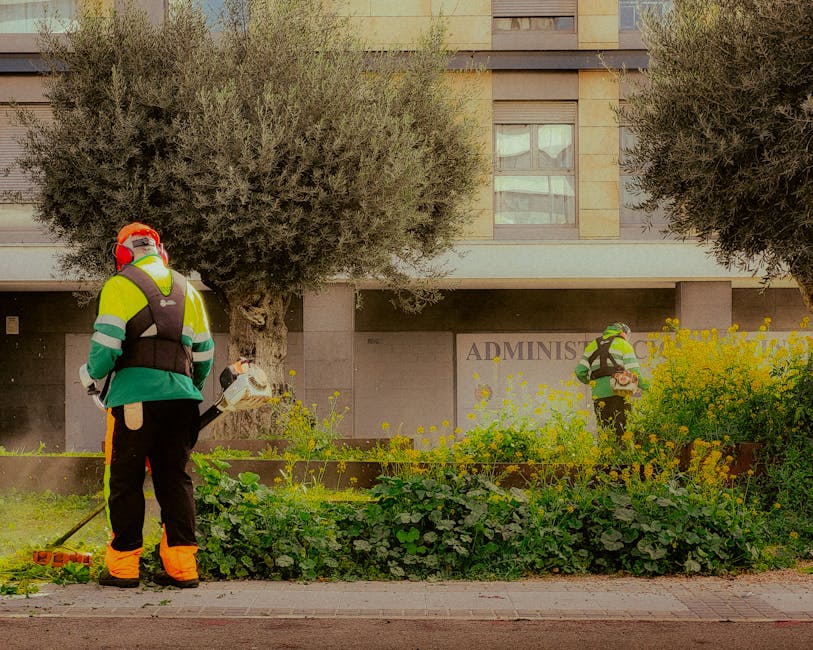
Some mowing requests are for shared or managed spaces rather than private back gardens. In those settings, consistency matters because the lawn is part of the overall presentation of the building or site. A practical schedule can help keep entrances, communal edges and open grassed areas orderly without allowing growth to become uneven between visits. Our approach can be adapted to the scale of the space and the amount of detail needed around borders, access points and visible frontages.
 For larger or more varied grounds, it is often useful to consider mowing alongside other outdoor tasks. The garden clearance page is relevant if the space needs a tidy-up before routine mowing can be sensible again, and tree lopping and removal covers heavier vegetation work that may affect light and access in the garden. These services are different from mowing, but they can help restore a site to a condition where regular cutting is easier to maintain.
Shared outdoor areas also benefit from clear expectations about access and timing. If a site has gates, coded entry, storage constraints or areas that must remain clear for residents and visitors, those details should be shared at the enquiry stage. That makes it easier to plan the visit and decide how the work will be carried out. You do not need to write a long brief; a concise outline is usually enough to request a quotation with confidence.
Preparing the Lawn For A Quotation
Before requesting a quote, it is helpful to note a few practical points: the approximate size of the lawn, whether the grass has been cut recently, and whether there are any areas that are difficult to reach. If you can describe the layout in a few sentences, that often gives a better starting point than a list of preferences. For example, a simple front garden may need a different visit pattern from a long back lawn with narrow sides and corners.
 If the garden includes decking, hard surfaces or delicate borders, it is worth mentioning because the finish around those features can influence the time involved. Our decking services page covers one of the nearby surface elements sometimes found in domestic gardens, while about us gives a broader sense of the company behind the work. Use the form of contact that suits you best, then ask for a quotation based on the actual lawn and the work you want carried out.
A good quotation should reflect the real shape of the job, not just a generic lawn size. That is why a short message about access, obstacles, overgrowth or multiple lawn sections can be so helpful. If the grass needs a simple tidy cut, say so. If it needs more careful attention because it has been left for longer, mention that as well. The more clearly the work is described, the easier it is to match the right service to it.
Lawn Finishing Details That Matter
Even when the main task is mowing, finishing details can affect the overall appearance of the garden. Edges by paths, walls and beds often make the difference between an acceptable cut and a truly tidy one. Clippings should be handled in a way that suits the lawn’s condition and the customer’s preference, and awkward corners need a bit more care than broad open stretches. These small decisions add up to the visual quality of the result.
Grass that has grown unevenly may need a more measured cut rather than one heavy pass. That is especially important where the lawn is already under pressure from shade, foot traffic or seasonal changes. A sensible mowing plan leaves the grass looking better without stripping it back too abruptly. Our garden maintenance and recycling and sustainability pages can give a fuller picture of how routine care and waste handling are approached across garden services.
Useful things to mention in your enquiry include whether the lawn is one continuous area or several sections, whether pets use the garden, and whether there are any fragile features around the edge. These details do not need a long explanation, but they help form a clearer picture of the visit. If a client wants a simple tidy finish, that can be stated directly; if a more regular upkeep plan is preferred, that can be noted too.
About Islington
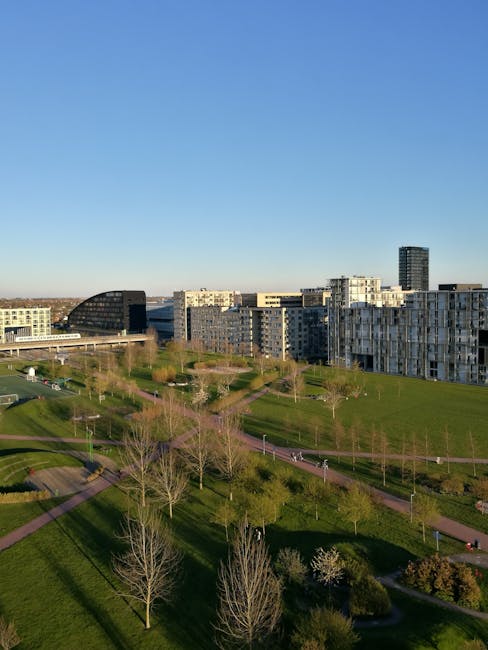
Islington is an inner London district and borough with a long civic and residential history, shaped by its position just north of the City and by the growth of the capital around it. The area includes Georgian terraces, later mansion blocks, post-war housing and busy commercial streets, so its built character is varied rather than uniform. Upper Street is one of the best-known thoroughfares, lined with shops, restaurants and public buildings, while nearby squares and side streets still reflect earlier phases of development. The historic focus of Islington developed through a mix of rural villages, suburban expansion and London’s continuing northward spread, leaving a patchwork of architecture that is easy to notice on foot. The borough also includes a range of parks and green spaces such as Highbury Fields, Clissold Park on the edge of the wider area, and smaller local squares that contribute to the neighbourhood feel. The Regent’s Canal runs through the district, providing a distinctive waterside route that links the area with surrounding parts of London and gives walkers a quieter alternative to the main roads. Cultural life is also a strong part of Islington’s identity, with theatres, music venues and community spaces supporting a busy calendar of events. The area is closely associated with public life, local government and everyday residential use, which gives it a character that is both energetic and lived in. Residential streets can feel calm a short walk from busier commercial stretches, and that contrast is part of what defines the district. Because the borough contains both major roads and secluded squares, it is often experienced in layers: transport corridors, neighbourhood centres and quieter pockets each create a different impression. This variety, together with its long architectural history and central London position, makes Islington a place with a clear identity that is recognised well beyond the borough boundary.
Seasonal Growth and Lawn Condition
Grass does not behave the same way throughout the year, so mowing is rarely just a fixed task repeated without thought. In periods of active growth, a lawn may need more regular cutting to stay tidy, while slower conditions call for a lighter touch and a more patient schedule. Shade, moisture and footfall can also affect the way the lawn looks and how quickly it recovers after a visit. A sensible approach keeps the turf looking managed rather than overworked.
We can help with lawns that are fairly even as well as those that need a steadier recovery from being left too long. In some cases, the aim is to re-establish a manageable surface that can then be maintained regularly. In others, the work is simpler: just a clean cut, neat edges and a finish that suits the season. For customers planning a wider outdoor update, the landscaping and landscape gardening pages provide useful context on how lawns sit within larger garden schemes.
If you are unsure whether the lawn needs a one-off visit or a more regular arrangement, a short discussion of its current condition is usually enough to decide. The aim is to match the cut to the way the grass is growing and the way the garden is used. Regular maintenance is often simpler than waiting for a long overdue cut, but either way the starting point is a clear description of the task.
Request A Quotation
To request a quotation, send a brief summary of the lawn, the access to the garden and any related work you would like considered at the same time. A simple message is enough; there is no need to over-explain. If you already know that the grass needs mowing only, say that. If you want edging, clippings removed or a wider garden tidy, include that as well so the quotation reflects the job properly.
Some customers prefer to think in terms of a single visit, while others are looking for a routine mowing arrangement. Either is straightforward to discuss. If the lawn is part of a property managed alongside other outdoor maintenance, you can also mention that when you enquire. Our contact us page is the place to send your request for a quotation, and if you would like to compare the broader service options first, the services overview is a sensible place to start.
Once you have described the work, we can respond with a quotation that matches the garden as closely as possible. For a quick start, include the lawn’s general size, the last time it was cut if you know it, and anything that affects access or finish. Then ask for the quote in plain terms and we will take it from there.