Lawn Mowing Islington: Recycling and Sustainable Gardening Waste
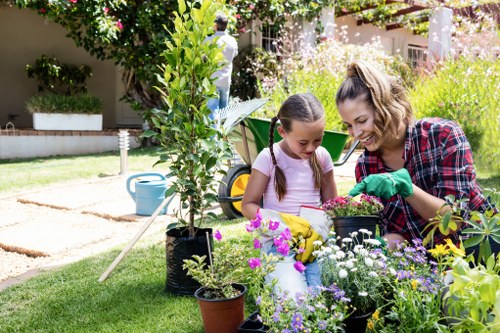 At Lawn Mowing Islington we treat green waste as a resource, not rubbish. Our Islington lawn mowing services prioritise eco-friendly disposal across every site we service. From small front gardens to multi-property green spaces, our approach to sustainable lawn care in Islington combines careful on-site separation, responsible transfer and charitable reuse. We support the borough’s move towards improved waste separation and encourage householders to follow local efforts to separate food, mixed recycling and garden waste where available. Our crews are trained to sort grass cuttings, branches and soil so that as much material as possible is diverted from landfill.
Working closely with local authority recommendations, our Islington garden maintenance teams adopt best-practice routes for transporting materials to local transfer stations and Materials Recovery Facilities (MRFs) across north and central London. We use designated bins for green waste and recyclable plastics used in landscaping, and we tag loads so that transfer stations can process them correctly. This organised approach reduces contamination and increases the yield of compostable and recyclable material, helping us meet and exceed municipal expectations for waste separation and reuse.
 Our recycling percentage target is ambitious: we aim for a minimum of 70% of all collected garden and landscaping waste to be either composted, processed for mulch or passed on for reuse by 2030. This target covers organic material, manageable timber and clean soil. It is tracked monthly and reported internally so teams can improve sorting rates and minimise residual waste. In practice this means fewer mixed waste loads and more material reaching composting facilities, community gardens and partner charities for reuse.
We partner with local charities and social enterprises to close the loop on green waste: community compost schemes, allotment projects and rewilding initiatives benefit from clean compost and woodchip. Our partnerships include several small London-based organisations that run compost hubs, as well as volunteer-led garden projects that accept cleared soil, turf and plant cuttings. These relationships ensure that usable material supports local food-growing and biodiversity projects rather than being incinerated or landfilled.

Low-carbon vans and sustainable transport
Our fleet for Islington lawn care and rubbish gardening services is transitioning to low-emission and low-carbon vans. We deploy electric and Euro-6 diesel hybrids on routes that can be serviced with charging infrastructure, and schedule jobs to reduce mileage and idle time. Route optimisation software reduces unnecessary repeats and consolidates pickups to transfer stations. The result: lower emissions per job, quieter streets and reduced local air pollution in the borough.Local transfer stations and responsible routing
We coordinate with nearby transfer stations and recycling centres to ensure waste is taken to the right facility: compost and green waste to AD (anaerobic digestion) and composting centres, timber to wood recycling hubs, and any recyclable plastics to MRFs. Where the borough operates separate garden waste collections or designated green bins, our crews follow the same segregation rules to align with council collection streams. This cooperation helps keep contamination rates low and demonstrates how private green services can support municipal systems.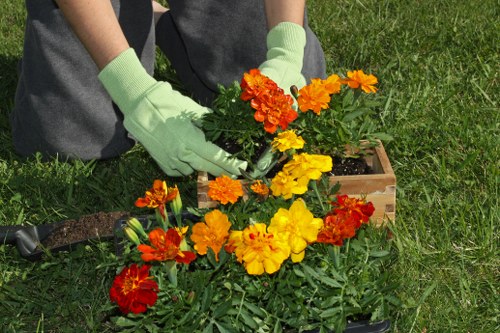 Partnerships and community benefit Our sustainable rubbish gardening model includes formal agreements with charities for redistribution and reuse. Items in good condition—such as intact pots, untreated sleepers and surplus topsoil—are recovered and offered to community groups. We maintain a simple donation protocol so that volunteers can collect materials directly or arrange small deliveries. A few of the recurring benefits include:
- Compost supply for community allotments and food-growing schemes;
- Mulch and woodchip for local parks and biodiversity corridors;
- Reusable materials (pots, timber) redirected to charity projects.
 Our promise: sustainable lawn mowing in Islington means responsible stewardship of green waste. We track performance against our recycling goal, audit our routes and share best practice across teams. By combining low-carbon vans, local transfer station partnerships and charity reuse networks, Lawn Mowing Islington reduces the environmental footprint of garden maintenance while supporting circular, community-focused outcomes. We encourage residents and property managers to choose providers who commit to these standards to help the borough meet broader recycling and sustainability ambitions.
To make small changes at home that support our work, consider separating garden waste from general rubbish, keeping soil and stones apart from vegetative material, and storing usable pots and timber for collection. These simple steps improve the recyclability of material collected by our Islington lawn mowing operatives and increase the proportion of waste that can be returned to the community as compost, mulch or reclaimed materials. Together, these practical measures and our operational commitments create a greener, cleaner borough for everyone.
Measure and improve: we monitor the weight and type of material taken to transfer stations, review contamination incidents and adjust training to improve outcomes. Our goal of 70% recycling of landscaping waste is complemented by year-on-year reductions in transport emissions through fleet upgrades and smarter scheduling, demonstrating that effective lawn care and sustainable rubbish gardening can, and should, go hand in hand.
Choosing sustainable Islington lawn services means supporting an approach that values recovery, reuse and local benefit. Lawn Mowing Islington delivers green outcomes by integrating borough recycling practices, partnering with charities and running a low-carbon fleet — helping turn everyday garden waste into useful resources for the local community.