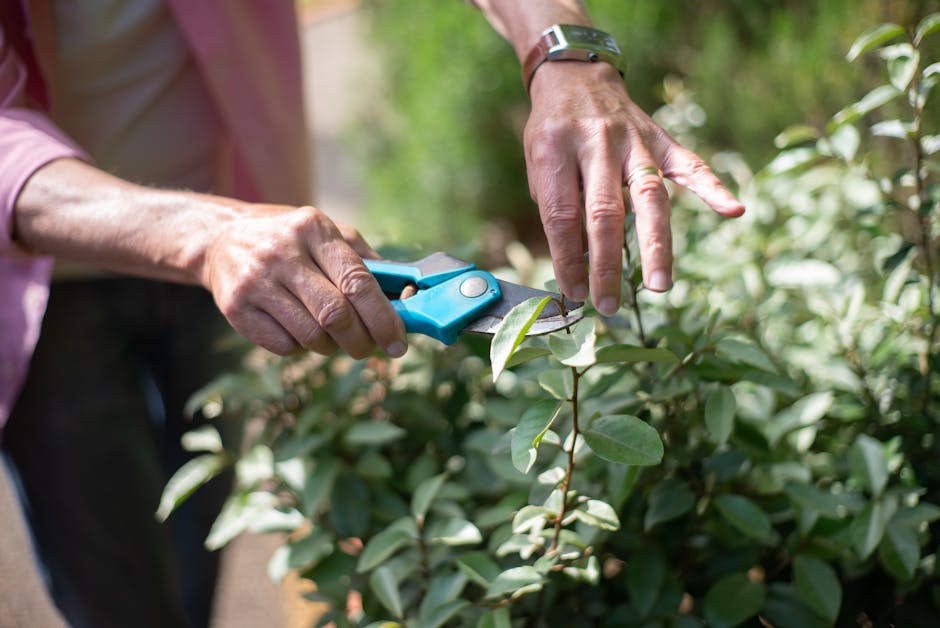
Barnsbury estate gardeners seasonal pruning and care
If you manage a shared garden, a private estate, or a collection of mature borders in Barnsbury, seasonal pruning is one of those jobs that quietly shapes everything else. Done well, it keeps shrubs balanced, flowering plants productive, hedges neat, and trees safe. Done badly, well... you notice it for months. Sometimes years.
This guide to Barnsbury estate gardeners seasonal pruning and care explains what should be cut, when to do it, why timing matters, and how professional gardeners approach the work across the year. It also covers the practical stuff people often forget: access, waste, wildlife, safety, and the simple difference between routine maintenance and a cut that can damage a plant. If you are weighing up estate garden upkeep, or trying to decide whether to bring in support for a bigger planting scheme, this will help you make a sensible call.
For readers comparing broader garden services, it can also be useful to look at how a team handles seasonal gardening services, especially when the garden needs more than just a once-a-year tidy. And if your estate includes a mix of front gardens, courtyards, and shared borders, residential garden maintenance often gives a helpful picture of what consistent care really looks like in practice.
Table of Contents
- Why Barnsbury estate gardeners seasonal pruning and care Matters
- How Barnsbury estate gardeners seasonal pruning and care Works
- Key Benefits and Practical Advantages
- Who This Is For and When It Makes Sense
- Step-by-Step Guidance
- Expert Tips for Better Results
- Common Mistakes to Avoid
- Tools, Resources and Recommendations
- Law, Compliance, Standards, or Best Practice
- Options, Methods, or Comparison Table
- Case Study or Real-World Example
- Practical Checklist
- Conclusion
- Frequently Asked Questions
Why Barnsbury estate gardeners seasonal pruning and care Matters
Barnsbury has a particular feel to it: older trees, boundary hedges, compact front gardens, and shared spaces where every planting choice is visible. That means pruning is not only about plant health. It affects the whole street impression, light into windows, neighbour boundaries, and how safe pathways feel in wet weather.
Seasonal pruning and care matter because plants respond to timing. A shrub that flowers on old wood needs a different approach from one that flowers on new growth. A hedge may need light shaping in one season and a firmer reduction in another. A mature tree can look untouched for years, then suddenly need attention because a dead limb starts to lean over a drive or a path. It all connects.
In estate settings, the work also has a rhythm. One week the team is lifting low growth near entrances, the next they are thinning congested shrubs, then checking climbers, tidying perennial borders, and clearing cuttings before they become slippery or untidy. To be fair, it is less glamorous than people imagine. But it is the sort of steady work that keeps a garden from sliding into either chaos or over-pruned emptiness.
There is another reason this matters in Barnsbury: many gardens are relatively tight, with shared sightlines and nearby properties. Overgrown planting can block light and feel oppressive, while harsh pruning can make a small space look stripped bare. The sweet spot is careful, seasonal control. That balance is where experienced gardeners earn their keep.
If you are building a wider maintenance plan, it often helps to combine pruning with hedge cutting service and tree pruning and care so the garden is managed as one living system rather than a set of unrelated tasks.
How Barnsbury estate gardeners seasonal pruning and care Works
Seasonal pruning is not a single method. It is a calendar-led approach that matches the job to the plant, the weather, and the garden's use. In practice, a good estate gardener starts with observation: what is growing strongly, what is flowering, what is crossing or congesting, and what creates risk if left alone.
Most work falls into a few broad categories:
- Formative pruning for young shrubs, climbers, and trees to guide future shape.
- Maintenance pruning to keep established plants healthy, tidy, and productive.
- Renovation pruning for overgrown or neglected planting, handled carefully and often in stages.
- Safety pruning to remove dead, damaged, or awkward growth near paths, entrances, and visibility lines.
- Seasonal tidying such as deadheading, light reduction, thinning, and clearance after storms or heavy growth.
The real skill is not just cutting. It is deciding how much to cut, and where the plant will respond best. A branch removed at the wrong point can encourage awkward regrowth. A cut made too late can reduce flowering. A hedge trimmed too severely in warm weather can leave scorch or bare patches. Small details, big difference.
Gardeners also work with the site's conditions. In Barnsbury, that may mean limited access through side passages, shared bins, basement steps, or awkward rear entries. It sounds mundane, but it shapes how the work is planned. The best teams think about the practical flow: tools in, cuttings out, surfaces protected, neighbours kept informed if needed. A neat job is only half the story.
And then there is the seasonal cycle itself:
- Late winter to early spring: structural pruning, rose work, many deciduous shrubs, and preparation for fresh growth.
- Spring: light shaping, deadheading, checking frost damage, and managing new shoots.
- Summer: hedge trims, selective reduction, clipping of fast growers, and keeping borders tidy without stressing plants in heat.
- Autumn: clearing spent growth, reducing wind damage risk, and preparing beds and shrubs for winter.
- Winter: dormant-season pruning, tree inspection, and careful work on plants that tolerate it well.
That said, not every plant follows the same rules. A mature wisteria, an ornamental cherry, a hydrangea, a yew hedge, and a fruiting climber each have their own timing. That is why good estate gardeners do not simply "do pruning"; they read the planting first.
Key Benefits and Practical Advantages
People often think pruning is mainly about appearance. That is part of it, sure. But the real value is broader and more useful than a neat finish on a Saturday afternoon.
1. Healthier growth
Removing dead, crowded, or rubbing stems helps plants direct energy into stronger growth. Air moves better through the plant, which can reduce the conditions that encourage disease. It is not magic, just sensible horticulture.
2. Better flowering and fruiting
Many shrubs flower more reliably when they are pruned at the right time. Some need old wood preserved; others benefit from fresh new shoots. Fruit trees and soft fruit also reward precise seasonal care, though they can be unforgiving if pruned carelessly.
3. Safer access and cleaner sightlines
In shared spaces, overhanging stems can obscure paths, block entrances, or create awkward blind spots. A sensible pruning plan improves everyday use and reduces trip hazards from low or broken growth.
4. Longer life for established planting
Well-timed pruning is often the difference between a plant that declines slowly and one that keeps contributing for years. For mature estate gardens, that matters. Replanting is expensive, disruptive, and never quite the same as keeping a good specimen going.
5. A calmer, more cared-for look
Let's face it, most people can spot the difference between a garden that is lightly and consistently maintained, and one that only gets attention when it starts to look wild. Regular seasonal care keeps the whole place feeling intentional.
6. Better planning for the year ahead
A pruning visit is often the moment a gardener notices problems early: dieback, pest pressure, root competition, irrigation issues, or a hedge that is outgrowing its allocated space. Small observations now can save a lot of grief later.
For estate managers and residents alike, that combination of visual order and plant health is usually the real objective. Not perfect, not overworked. Just properly looked after.
Who This Is For and When It Makes Sense
This kind of care is especially useful if you are responsible for a shared or higher-visibility garden in Barnsbury. It suits different situations, though the goals may vary a little.
- Estate managers who need a reliable seasonal plan rather than one-off fixes.
- Property owners looking after front and rear gardens with mature planting.
- Residents' associations managing communal borders, hedges, and access routes.
- Letting agents and landlords who want outdoor areas to stay presentable between tenancies.
- Older properties with established shrubs, climbers, and trees that need judgement, not just trimming.
It also makes sense when you notice practical warning signs:
- plants are blocking windows, doors, or paths
- flowering has become sparse or inconsistent
- branches are crossing, rubbing, or growing inward
- hedges have become uneven or visibly thin in patches
- dead wood is collecting in shrubs or trees
- the garden looks tired even after general tidying
Sometimes the question is not "does this need pruning?" but "what happens if we leave it another season?" If the answer is shade, congestion, damage, or a bigger repair job next year, then the timing is probably right.
For some properties, a broader plan involving landscape gardening services or ongoing garden maintenance services is the better route. That way pruning sits inside a proper maintenance rhythm instead of being treated as a last-minute rescue mission.
Step-by-Step Guidance
Below is a practical way to think about seasonal pruning and care. It is not a one-size-fits-all formula, but it gives you the structure that experienced gardeners tend to use.
- Survey the planting
Walk the garden slowly. Look for dead stems, crossing branches, overlong shoots, flower buds, and any plants that are crowding others. If you are rushing, you will miss the point. A quiet five-minute look often tells you more than a heavy-handed trim. - Identify the plant type
Work out whether you are dealing with a shrub, climber, hedge, tree, herbaceous perennial, or fruiting plant. Each group has its own pruning logic. If uncertain, a cautious light cut is usually safer than a speculative hard prune. - Check the season
Some plants should be cut in winter dormancy; others should wait until after flowering. This matters a lot. Prune a spring-flowering shrub at the wrong time and you may remove this year's display before it has even started. - Decide the objective
Are you shaping, reducing, rejuvenating, or simply cleaning up? The cut should match the goal. A hedge trim is not the same as a structural prune, and a safety cut is not a decorative one. - Remove the obvious problems first
Take out dead, diseased, or damaged wood. Then remove crossing or inward-growing stems. This gives the plant room and makes the remaining structure easier to judge. - Prune with restraint
Cut a little, then assess. That simple habit prevents over-pruning. In estate settings, it is easy to get carried away because there is so much to tidy. Resist the temptation. Plants are not improved by enthusiasm alone. - Shape for balance and use
Step back and check sightlines, symmetry, and access. A branch may technically be healthy but still be in the wrong place near a gate, door, or narrow path. - Collect and clear waste promptly
Cuttings left on paths look messy and can become slippery. In shared spaces, they can also create minor access issues. Clearing up is part of the job, not an optional extra. - Inspect after the cut
Look again once the plant is opened up. You may spot hidden deadwood, pests, or a secondary problem that was masked by dense growth. - Plan the next visit
Good seasonal care is cyclical. Note what was done, what should be checked in the next season, and whether any plant needs a different approach next time.
A simple example: a mixed border in Barnsbury might need early spring reduction on dogwood stems, summer deadheading on roses, and autumn tidying around ornamental grasses. Same border, three very different timings. That is normal.
Expert Tips for Better Results
There are a few habits that separate tidy-looking pruning from genuinely well-managed estate care. They are not flashy, but they make a real difference.
Know what flowers on old wood and what flowers on new growth. This one catches people out constantly. If a shrub forms buds on last year's stems, cutting in the wrong season can remove the display. It is a small detail, but a costly one.
Use the right cut for the right job. A heading cut encourages bushier growth near the cut point. A thinning cut removes a branch right back to its origin and opens the plant up more naturally. If you want light and air, thinning is often kinder. If you want shape, careful heading may be useful.
Think in layers. Estate gardens are rarely just hedges and borders. They are usually a mix of structure and soft planting. The best results come when shrubs, climbers, perennials, and trees are all managed to support each other, rather than fighting for space.
Watch the weather. A dry, cold morning can be fine for many jobs. Wet, windy conditions often are not, especially where ladders, power tools, or large branch removal is involved. Winter frost can also make some pruning cuts less ideal. Truth be told, weather decisions save more trouble than people expect.
Don't chase perfection in one visit. Overgrown planting sometimes needs a staged approach. If a shrub has been left alone for years, reducing it gently over two or three seasons can be better than trying to fix everything at once.
Leave wildlife considerations in place. Nesting birds, active insects, and sheltered habitats matter. In the UK, this is not just a courtesy; it is part of responsible practice. A cautious check before cutting is always wise.
Keep a garden note. Even a short record helps. Which hedge was trimmed in April? Which shrub was left for later flowering? What looked weak after last winter? It sounds slightly old-school, but written notes prevent repeat mistakes.
If your garden includes a lawn as well as beds and shrubs, it can be useful to coordinate pruning with lawn care services. The visual effect is better when the whole site is cared for as one composition, not as separate jobs done on different weeks by different people. Small thing, maybe. But it shows.
Common Mistakes to Avoid
Pruning mistakes are often made with good intentions. That is the slightly annoying part. Someone wants to help the garden look better, then one over-enthusiastic cut turns into a bare patch or a stressed plant.
- Pruning at the wrong season and removing flower buds before they open.
- Shearing everything into the same shape, which can make planting look flat and unnatural.
- Cutting too hard in one go when a gradual reduction would be safer.
- Ignoring dead or diseased wood, which means the plant never really recovers properly.
- Leaving stubs that die back and look untidy.
- Forgetting the site context such as doorways, neighbours, paths, and shared access.
- Using blunt or dirty tools, which can tear stems and spread problems around.
- Pruning climbing plants without checking their support, so stems are cut but not re-trained.
Another common issue is confusing neatness with health. A very hard trim may look tidy for a week, then leave weak regrowth or empty structure. In many cases, slightly softer pruning done at the right time is far better than a dramatic cut done for the sake of instant tidiness.
And yes, we have all seen the "quick tidy" that turned into a small horticultural drama. Happens more than people admit.
Tools, Resources and Recommendations
The right tools make pruning safer, cleaner, and less tiring. You do not need a van full of specialist kit for every job, but a properly equipped gardener will usually carry more than just secateurs and hope.
| Tool or Resource | Best For | Why It Helps |
|---|---|---|
| Secateurs | Small stems, deadheading, precision cuts | Gives clean, controlled pruning on smaller growth |
| Loppers | Thicker stems that secateurs cannot handle | Provides leverage and reduces strain |
| Pruning saw | Woody stems and larger branches | Makes cleaner cuts on material too large for hand tools |
| Hedge trimmer | Formal hedges and repetitive shaping | Keeps long runs even and efficient |
| Gloves and eye protection | General maintenance and thorny plants | Basic safety for hands and eyes |
| Wheelbarrow, sacks, or green waste containers | Cutting removal | Keeps paths clear and speeds up clean-up |
For more complex estates, the resource that matters most is not a tool, but coordination. A sensible seasonal plan, site notes, and the ability to schedule recurring visits save more time than any shiny equipment.
If you are reviewing service scope, irrigation installation and maintenance can also matter after pruning. Newly opened canopies and refreshed beds may need a different watering pattern, particularly in warm spells or where roots compete under hard landscaping. Little things like that add up fast.
Law, Compliance, Standards, or Best Practice
For most private garden maintenance in Barnsbury, the main compliance question is not paperwork-heavy. It is about responsible practice, safety, and avoiding avoidable damage.
In the UK, gardeners should be mindful of wildlife protection, especially during the nesting season. If birds are actively nesting in a hedge, shrub, or tree, pruning should be delayed or adjusted. That is standard responsible practice, and it is one of those areas where a little patience avoids a lot of trouble.
Health and safety also matter, particularly on estate sites where people are moving through the area while work is ongoing. Safe ladder use, tidy work zones, proper tool handling, and controlled waste removal are all basic expectations. If contractors are working at height or using powered equipment, they should act with appropriate care and competence. Nothing fancy, just proper professionalism.
There may also be local expectations around noise, access, and waste handling. In a dense London setting, these practical considerations are often just as important as plant care. It helps when a gardener works cleanly, communicates clearly, and leaves the site better than they found it.
Best practice usually means:
- checking plant-specific pruning timing before cutting
- using clean, sharp tools
- avoiding unnecessary hard cuts
- protecting paths and communal areas from debris
- respecting nesting wildlife and seasonal habitat
- coordinating with residents or managers where access is shared
If you want a broader sense of ongoing service quality, it can help to review one-off garden tidy up alongside planned maintenance. A one-off visit can make a space look fresh, but seasonal pruning is what keeps it stable and healthy over time.
Options, Methods, or Comparison Table
Not every garden needs the same level of intervention. Here is a simple comparison of common approaches used for estate and residential planting.
| Approach | Best For | Advantages | Trade-Offs |
|---|---|---|---|
| Light seasonal maintenance | Healthy, established planting | Preserves form, keeps growth in check | May not solve deeper congestion or neglect |
| Targeted pruning visits | Mixed planting with varying needs | Flexible, efficient, plant-specific | Needs more judgement and planning |
| Renovation pruning | Overgrown or tired shrubs | Can restore structure and vigour | Needs patience and may take more than one season |
| Full maintenance contract | Shared or high-visibility gardens | Consistent appearance, fewer surprises | More commitment, but often better long-term value |
If your space is relatively small but highly visible, targeted seasonal visits often make the most sense. If the planting is mature, mixed, and used by several households, a maintenance plan is usually the calmer option. Truth be told, consistency beats drama almost every time in garden care.
Case Study or Real-World Example
Picture a typical Barnsbury terrace garden with a shared front boundary, a rear courtyard, and a row of shrubs that have been left to do their own thing for a couple of seasons. Nothing disastrous, just a bit unruly. The yew hedge has pushed out wide at shoulder height, the climbing rose is tangled, and a couple of deciduous shrubs are shading each other out.
A sensible seasonal plan would probably start in late winter with structural pruning on the shrubs that tolerate it, careful thinning of the rose framework, and a light shape correction on the hedge. The gardener would avoid cutting spring-flowering stems too hard, because that would remove the display. Then, once the weather settles, a second pass in summer would tidy new hedge growth, deadhead where needed, and remove any weak shoots blocking the path.
The result is not just a cleaner look. The planting breathes better. The courtyard feels less cramped. Light reaches the lower parts of the border. The hedge looks intentional rather than hacked back. And the residents stop having to duck under one stubborn branch every time they carry the recycling out. Small mercy, but a real one.
That is the point of seasonal pruning and care in an estate setting. It is never just one cut. It is a sequence of small, thoughtful decisions that add up to a healthier, easier-to-live-with garden.
Practical Checklist
Use this checklist before and during a seasonal pruning visit. It keeps things simple and avoids missed jobs.
- Confirm which plants need pruning now and which should be left alone
- Check for nesting birds or active wildlife
- Inspect paths, entrances, and shared access routes
- Sharpen, clean, and prepare tools
- Remove dead, damaged, or diseased stems first
- Prune with the plant's flowering or growth habit in mind
- Avoid over-cutting in one visit
- Step back regularly to assess shape and balance
- Collect cuttings and clear the site properly
- Record what was done for the next seasonal visit
Expert summary: Good seasonal pruning is less about "cutting back" and more about reading the plant, choosing the right moment, and making a measured cut. In estate gardens, that discipline keeps the whole site calmer, safer, and better looking across the year.
Conclusion
Seasonal pruning and care is one of the quiet foundations of a well-run Barnsbury estate garden. It protects plant health, keeps shared spaces usable, and prevents small issues from turning into expensive fixes. Just as importantly, it helps the garden feel lived in and looked after, rather than merely trimmed now and then.
If you are planning upkeep for a communal space, a mature private garden, or a mixed estate planting scheme, the best results usually come from steady, informed attention rather than occasional heavy intervention. Start with the season, respect the plant, and think about how the whole site works together. That's the craft, really.
And if you are ready to compare options for your own space, a proper conversation with a local team can save a surprising amount of guesswork.
Get a free quote today and see how much you can save.
With the right care at the right time, even a busy London garden can feel quietly in control again. That's a good feeling, isn't it?
Frequently Asked Questions
What does seasonal pruning actually mean?
Seasonal pruning means cutting plants at the time of year that suits their growth cycle, flowering habit, and health needs. It is not just about tidying; it is about timing the work so the plant responds well.
How often should estate gardens be pruned?
It depends on the planting mix. Hedges may need more frequent trims, while shrubs and trees may only need attention once or twice a year. Mixed estate gardens usually benefit from planned visits across multiple seasons.
Which plants should not be pruned in spring?
Spring-flowering shrubs are often best left until after they bloom, because pruning too early can remove the flower buds. The exact timing varies by species, so the plant type matters more than a generic rule.
Can pruning damage a mature shrub or tree?
Yes, if it is done too hard, at the wrong time, or with poor technique. A careful, measured approach is usually safer, especially for established planting that has taken years to develop.
What is the difference between pruning and trimming?
Trimming usually refers to light shaping, often on hedges or fast-growing plants. Pruning is broader and more technical, involving the removal of specific stems for health, structure, or flowering.
Do Barnsbury gardens need different care because of the local setting?
Often, yes. Barnsbury gardens can be compact, enclosed, and close to neighbouring properties, so access, light, shared boundaries, and visibility all play a bigger role in planning the work.
Is winter the best time for pruning?
Winter is a good time for many dormant plants, especially for structural work, but it is not best for everything. Some shrubs, climbers, and flowering plants need pruning at other times of year.
How do I know if a plant is overgrown or just naturally full?
Look for signs such as crossed stems, poor air movement, weak flowering, blocked paths, or a lopsided shape. A naturally full plant still tends to look healthy and balanced rather than congested.
Can seasonal pruning improve flowering?
Yes, very often. The right cut at the right time can encourage stronger flowering and better plant form. The key is to match the method to the plant's flowering habit.
What should I ask before hiring gardeners for pruning work?
Ask how they plan the seasonal timing, whether they understand different plant types, how they handle waste removal, and how they approach safety and wildlife awareness. Clear answers usually tell you a lot.
What if the garden has been neglected for a while?
In that case, renovation pruning may be needed, but it is usually better to do the work in stages. A gradual plan reduces stress on the planting and gives better long-term results.
Does pruning always need to be followed by feeding or watering?
Not always, but it often helps to review the plant's overall condition after the work. Some plants will benefit from a change in watering or mulching routine, especially after heavier pruning or during dry spells.